
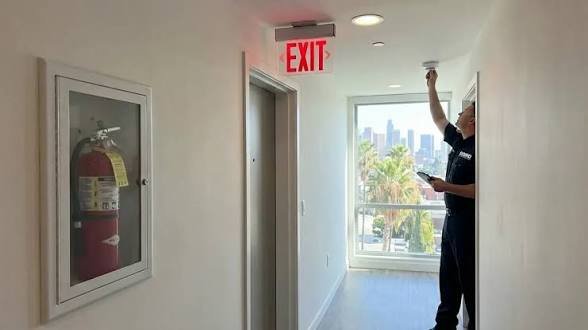
Apartment living offers convenience, shared facilities, and access to essential services. However, living in a multi-storey building also creates fire safety challenges. A fire in one apartment can affect neighbouring homes, shared corridors, stairways, and other parts of the building. Smoke may spread beyond the room where a fire begins, making early warning and safe evacuation especially important.
In Pakistan, apartment buildings range from small residential blocks to large high-rise developments. Each property has different fire risks depending on its design, electrical installations, cooking arrangements, number of residents, and available safety equipment. Residents, landlords, building managers, and property developers all have a role in reducing these risks.
A safe apartment requires more than a fire extinguisher in the corridor. Working smoke alarms, a suitable Fire alarm system in Pakistan, clear emergency exits, properly maintained electrical equipment, and an effective evacuation plan can work together to improve safety.
This guide explains common apartment fire hazards, essential prevention measures, the role of fire detection systems, and the steps residents can take to prepare for an emergency.
Why Is Apartment Fire Safety Important?
Fire safety is important in every home, but apartment buildings present additional challenges because residents share walls, corridors, staircases, and utility areas. Some buildings also have underground parking, lifts, backup generators, storage rooms, or commercial units that introduce different fire risks.
If a fire starts in one apartment, other residents may not immediately know what is happening. People on upper floors may also need more time to reach a safe location, particularly if corridors become smoky or an exit is blocked.
Effective fire protection helps address these challenges through several measures:
- Early detection and warning.
- Safe electrical and cooking practices.
- Accessible and clearly marked escape routes.
- Suitable firefighting equipment.
- Regular inspection and maintenance.
- Clear instructions for residents and building staff.
Every resident should know how to respond to an alarm and where to go during an evacuation. Building management should make sure that shared safety systems remain functional and that residents understand the emergency arrangements.
Common Causes of Apartment Fires
Understanding common hazards is the first step towards prevention.
1. Electrical Faults
Damaged wiring, loose connections, overloaded sockets, unsuitable extension leads, and defective appliances can increase fire risks. Electrical problems may develop gradually and should not be ignored simply because an appliance still appears to work.
Residents should avoid overloading sockets, keep electrical equipment in good condition, and arrange repairs through a qualified electrician. Exposed wires, unusual burning smells, repeated circuit-breaker trips, or sparks should be reported promptly.
Never attempt electrical repairs unless properly qualified. If there is an immediate danger, move away and alert the responsible adult or building management.
2. Cooking Accidents
Cooking is a common source of residential fires. Unattended pans, overheated cooking oil, combustible materials near a cooker, and poorly maintained gas appliances can create dangerous situations.
Residents should stay attentive while cooking and keep towels, paper, packaging, and other combustible items away from heat sources. Children should not be left to manage cooking hazards independently.
Water must never be poured onto burning cooking oil. If a cooking fire cannot be managed safely using the appropriate equipment, leave the area and seek emergency assistance.
3. Gas Appliances and Cylinders
Gas leaks, defective connections, and poorly maintained appliances can create fire and explosion hazards. Residents should follow the manufacturer’s safety instructions and arrange inspection or repair through qualified technicians.
If a gas leak is suspected, avoid flames and do not operate electrical switches in the affected area. Leave the area, warn others if it is safe to do so, and contact the relevant emergency or gas service from a safe location.
Building managers should also ensure that shared utility areas are managed according to applicable requirements.
4. Charging Devices and Electrical Equipment
Phones, power banks, computers, and other rechargeable devices should be used with compatible chargers and according to manufacturer guidance. Damaged batteries, defective chargers, and unsuitable charging practices can create hazards.
Do not use equipment that shows signs of damage, overheating, swelling, or unusual odours. Keep devices away from materials that may easily ignite, and avoid covering charging equipment in ways that trap heat.
5. Cluttered Corridors and Storage Areas
Shoes, bicycles, furniture, cartons, and other belongings can obstruct shared escape routes. Items stored in corridors may also contribute combustible materials to an emergency.
Apartment residents should keep hallways, staircases, fire doors, and exit access areas clear. Building management should regularly check common areas and address obstructions promptly.
The Role of Fire Alarm Systems in Apartment Buildings
Early warning gives residents an opportunity to recognise danger and follow their escape plan. Smoke alarms detect smoke in their designated areas, while a building fire alarm system may connect multiple detectors, manual call points, warning devices, and a control panel.
The exact design depends on the building’s layout, occupancy, and applicable fire safety requirements.
A suitable Fire alarm system in Pakistan can provide an important layer of protection in apartment buildings where such systems are required or appropriate. Depending on the installation, it may include:
- Smoke or heat detectors: Devices that identify signs of a potential fire.
- Manual call points: Controls that allow a person to activate an alarm when an emergency is identified.
- Audible and visual warning devices: Equipment that alerts occupants to an emergency.
- Control panels: Components that receive system signals and indicate alarm or fault conditions.
- Backup power: A suitable power arrangement to support system operation during a mains failure, as required by the design and applicable rules.
An alarm system must be selected, installed, tested, and maintained by qualified professionals. Detector locations should account for the building’s design and the conditions in each area.
Residents should never assume that a system is working simply because it is installed. Building management should arrange inspections and maintenance according to the manufacturer’s guidance and relevant requirements.
The Pakistan Engineering Council’s Building Code of Pakistan — Fire Safety Provisions 2016 contains provisions concerning fire protection in buildings, including apartment-related requirements. The applicable requirements depend on the type and characteristics of the building. <Cite refs={[“turn435686search25”]} />
Smoke Alarms Inside Apartments
A building-wide fire alarm system and an individual smoke alarm are not necessarily the same thing. A coordinated system may cover common areas and other designated parts of a building, while individual smoke alarms provide warnings within residential units.
Smoke alarms should be installed in appropriate locations according to the applicable code and the manufacturer’s instructions. Their placement may include sleeping areas, nearby spaces outside bedrooms, and other required levels of a dwelling.
Residents should:
- Test alarms according to the manufacturer’s instructions.
- Replace batteries or units when required.
- Keep devices clean and unobstructed.
- Report faults to building management or a qualified technician.
- Never disable an alarm because it is inconvenient.
If an alarm sounds, take it seriously and follow the established emergency procedure. Do not assume it is a false alarm without appropriate confirmation.
Apartment Fire Prevention: Practical Steps for Residents
Fire prevention begins with everyday habits. Residents can reduce avoidable risks by following a few consistent practices.
Keep Electrical Equipment Safe
Use suitable appliances and chargers, avoid overloading electrical sockets, and replace damaged cables. Arrange professional checks if wiring or electrical equipment shows signs of a problem.
Do not run electrical cables through doorways where they may be damaged or create a trip hazard. Keep electrical equipment away from water unless it is specifically designed for that environment.
Practise Safe Cooking
Remain attentive while cooking and keep the cooking area free from combustible materials. Clean grease from appropriate surfaces and maintain kitchen equipment according to its instructions.
Never use water on a cooking-oil fire. If the fire spreads or there is any doubt about safe intervention, evacuate and contact emergency services.
Store Combustible Materials Properly
Avoid storing fuel, solvents, or other flammable products in unsuitable areas. Follow product labels and local requirements for storage and disposal.
Keep rubbish, packaging, and other combustible materials away from electrical equipment, cooking appliances, and shared escape routes.
Use Candles and Heating Equipment Carefully
Where candles or heating devices are used, follow the manufacturer’s safety guidance and keep them away from curtains, bedding, paper, and furniture.
Never leave an open flame unattended. Ensure that portable heating equipment is appropriate for the setting and does not obstruct an exit.
Report Hazards Promptly
Residents should inform building management about damaged fire doors, blocked stairways, faulty emergency lighting, broken alarms, or missing safety signs.
Small maintenance problems can affect the ability of people to evacuate safely. Prompt reporting helps the responsible people investigate and arrange repairs.
Emergency Exits and Escape Routes
A clear escape route is essential during a fire. Residents should identify the nearest suitable staircase and understand how to reach an outdoor safe area.
In apartment buildings, lifts should not normally be used during a fire unless a designated evacuation lift and approved procedure specifically permit their use. Residents should follow the building’s emergency plan and instructions from emergency personnel.
Important escape-route practices include:
- Keep corridors and staircases free from stored belongings.
- Ensure exit signs are visible and emergency lighting is maintained where required.
- Do not wedge open fire doors or interfere with door-closing equipment.
- Learn alternative routes in case the usual route is blocked.
- Keep access to emergency exits unobstructed.
- Never lock or block a required exit in a way that prevents escape.
Pakistan’s building fire safety framework and applicable provincial regulations address evacuation arrangements and other protective measures for relevant buildings. For example, Punjab Civil Defence lists emergency exits, evacuation plans, fire detection and alarm systems, and firefighting arrangements among the measures assessed for covered premises. <Cite refs={[“turn435686search0″,”turn435686search24”]} />
Residents should ask building management for clear, building-specific instructions rather than relying on assumptions about how the building should be evacuated.
What Should You Do When a Fire Occurs?
The correct response depends on the location of the fire, available exits, and the instructions provided by emergency personnel. The general priority is to protect people, raise the alarm, and evacuate safely.
Raise the Alarm
If you discover a fire, activate the alarm using an available manual call point if it is safe to reach. Warn other occupants when doing so does not put you at risk.
Contact the relevant emergency service from a safe location. In Pakistan, residents should know the locally applicable fire and rescue contact information before an emergency occurs.
Leave Using a Safe Route
Follow the building’s evacuation plan and use a safe, unobstructed exit. Avoid entering smoke-filled corridors or stairways. If the planned route is unsafe, use an alternative route where one is available.
Do not stop to collect valuables, documents, or personal belongings.
If Your Exit Is Blocked
Do not enter a smoke-filled or otherwise dangerous route. Follow the building’s emergency instructions and contact emergency responders, clearly explaining your location and circumstances. Stay away from smoke and flames while awaiting assistance.
The correct response may vary with the building design and the location of the fire, so residents should familiarise themselves with the property’s specific emergency arrangements in advance.
Stay Outside
Once outside, move to the designated assembly area or another safe location. Keep access routes clear for emergency responders.
Never re-enter the building until emergency personnel confirm that it is safe.
The Responsibilities of Apartment Building Management
Fire safety is a shared responsibility, but building management has important duties concerning common areas and building-wide equipment.
Management should arrange appropriate inspections and maintenance, keep exits clear, communicate emergency procedures, and make sure residents know how to report safety problems.
Depending on the property and applicable requirements, responsibilities may include:
Maintaining alarm systems: Ensure that required detection and alarm equipment is inspected, tested, and repaired by qualified personnel.
Checking firefighting equipment: Make sure extinguishers and other installed equipment are suitable, accessible, and maintained according to relevant requirements.
Maintaining escape routes: Keep stairways, corridors, exit doors, and access routes unobstructed.
Providing safety information: Share evacuation instructions, emergency contact information, and details of assembly areas.
Arranging professional assessments: Seek qualified advice when the building’s layout, occupancy, or safety equipment changes.
Supporting residents who need assistance: Establish suitable arrangements for children, older adults, and people with mobility or sensory limitations.
Management should also keep relevant inspection and maintenance records. These records help track faults and show when follow-up work is needed.
Fire Safety in Pakistan’s Apartment Buildings
Fire safety requirements may differ by province, city, building height, occupancy, and other characteristics. Owners, developers, landlords, and management committees should confirm the rules applicable to their specific property with the relevant building control authority, Civil Defence office, or emergency service.
The Building Code of Pakistan — Fire Safety Provisions 2016 provides a national reference for building fire safety. Provincial and local regulations may specify additional requirements concerning emergency staircases, exits, alarms, firefighting equipment, and inspection procedures.
Punjab Civil Defence describes its role in inspecting fire protection measures and providing training and awareness. Its published guidance highlights the importance of suitable equipment, functioning alarms, and emergency planning. <Cite refs={[“turn435686search5″,”turn435686search21”]} />
Residents should not assume that every apartment building has the same legal obligations. Instead, they should request information from management and consult the responsible authority where a concern remains unresolved.
Apartment Fire Safety Checklist
Use this checklist to review the basic safety arrangements in your apartment and shared building areas.
- [ ] Know the nearest safe exit and an alternative route.
- [ ] Keep apartment doors, corridors, and stairways clear.
- [ ] Check smoke alarms according to the manufacturer’s instructions.
- [ ] Know how to respond when the building fire alarm sounds.
- [ ] Report damaged alarms, fire doors, exit signs, or emergency lights.
- [ ] Keep electrical equipment in safe working condition.
- [ ] Follow safe cooking and gas-appliance practices.
- [ ] Learn the building’s evacuation procedure and assembly point.
- [ ] Make an emergency plan for children and anyone needing assistance.
- [ ] Keep local emergency contact information accessible.
- [ ] Ask management about inspections and maintenance of shared safety equipment.
Review the checklist periodically and whenever there are changes to the apartment, household, or building arrangements.
Conclusion
Apartment fire safety depends on preparation, prevention, reliable warning systems, and clear evacuation arrangements. Residents can reduce everyday hazards by using electrical equipment safely, practising careful cooking, keeping escape routes clear, and reporting maintenance problems.
Building management also has an important role in maintaining common areas, arranging professional inspections, and ensuring that required safety systems remain operational.
A suitable Fire alarm system in Pakistan can provide an important warning in apartment buildings where required or appropriate, but it must work alongside smoke alarms where applicable, suitable firefighting equipment, accessible exits, and an emergency plan that residents understand.
Most importantly, everyone should know how to respond when an alarm sounds: prioritise personal safety, leave by a safe route, contact emergency services, and never return until the building has been declared safe.
Consistent attention to these measures can help create a safer living environment for families and communities throughout Pakistan.
Frequently Asked Questions (FAQs)
1. Why is apartment fire safety important?
Apartment fire safety helps protect residents from fire and smoke, supports safe evacuation, and reduces the risk of damage to homes and shared property. Early warning, clear exits, safe electrical practices, and emergency planning are all important.
2. Is a fire alarm system required in apartment buildings in Pakistan?
Requirements depend on the building’s type, height, occupancy, design, and the applicable national, provincial, and local regulations. Owners and management should confirm the requirements for their particular property with the relevant authority.
3. What should residents do when a fire alarm sounds?
Take the alarm seriously, follow the building’s emergency procedure, and evacuate using a safe route. Do not use an ordinary lift during a fire, collect belongings, or re-enter the building until emergency personnel say it is safe.
4. How can apartment residents prevent fires?
Residents can reduce risks by avoiding overloaded sockets, maintaining electrical appliances, practising safe cooking, storing combustible materials properly, and reporting damaged equipment or other hazards to building management.
5. Who is responsible for fire safety in an apartment building?
Responsibility is shared. Residents should follow safe practices and keep their own spaces and escape routes clear. Owners and building management are responsible for addressing their duties concerning common areas, required safety equipment, maintenance, and emergency planning under applicable rules.